Mind and Reality: An Ancient View
The opening verses of the Dhammapada, revisited

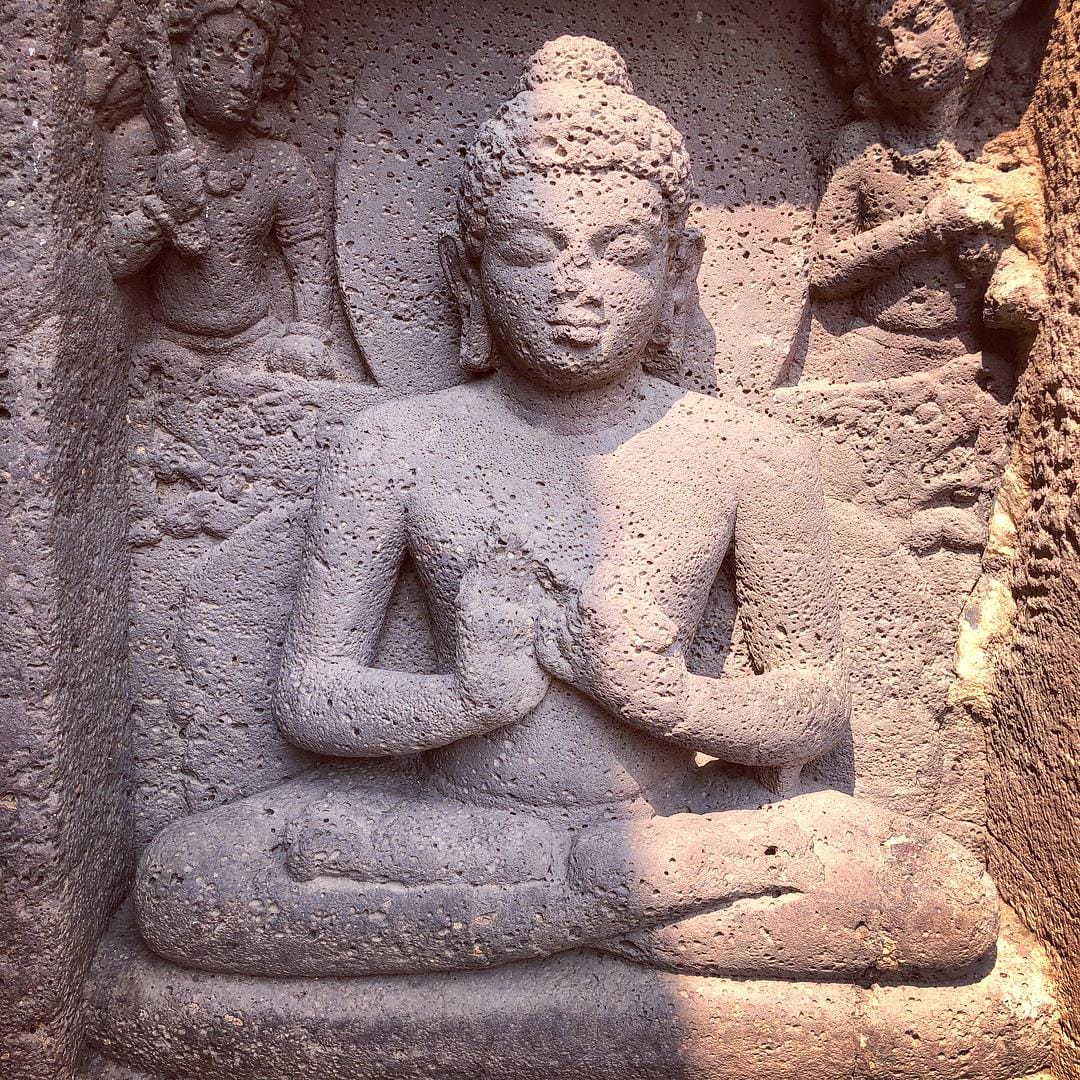
This is a poetic interpretation of the opening section of the Dhammapada (known as 'The Pairs' or ‘Twin Verses’), a text that has been amongst the most transformative in my own life.
A tinkering act of love and gratitude to all the translators whose work inspired this, especially Jack Austin, F. Max Müller, Gil Fronsdal, and Thomas Byrom.
The world is made up of stories,
Born from stories,
Turns on stories:
We are telling stories all the time.
When our tales about the world are based
On greed, hatred, or confusion,
Sorrow follows for someone –
Maybe us, maybe others –
As sure as night follows the day.
The world is made up of stories,
Born from stories,
Turns on stories:
We are telling stories all the time.
When our tales about the world are based
On trying to pay attention,
Seeking out the truth in things,
The endings turn out better,
Stay with us, and are remembered.
You can tell whatever story you know,
But hatred never solves things in the heart:
Only love can make that magic transformation.
This has always been the way of it,
Like a deep law of the universe:
Everything ends, life goes on,
Our atoms, our energies, returning to the elements.
Seeing this happen over and over,
Being reminded day after day,
Move whenever you can towards harmony.
Composed at dawn, November 4 2018 [^1]
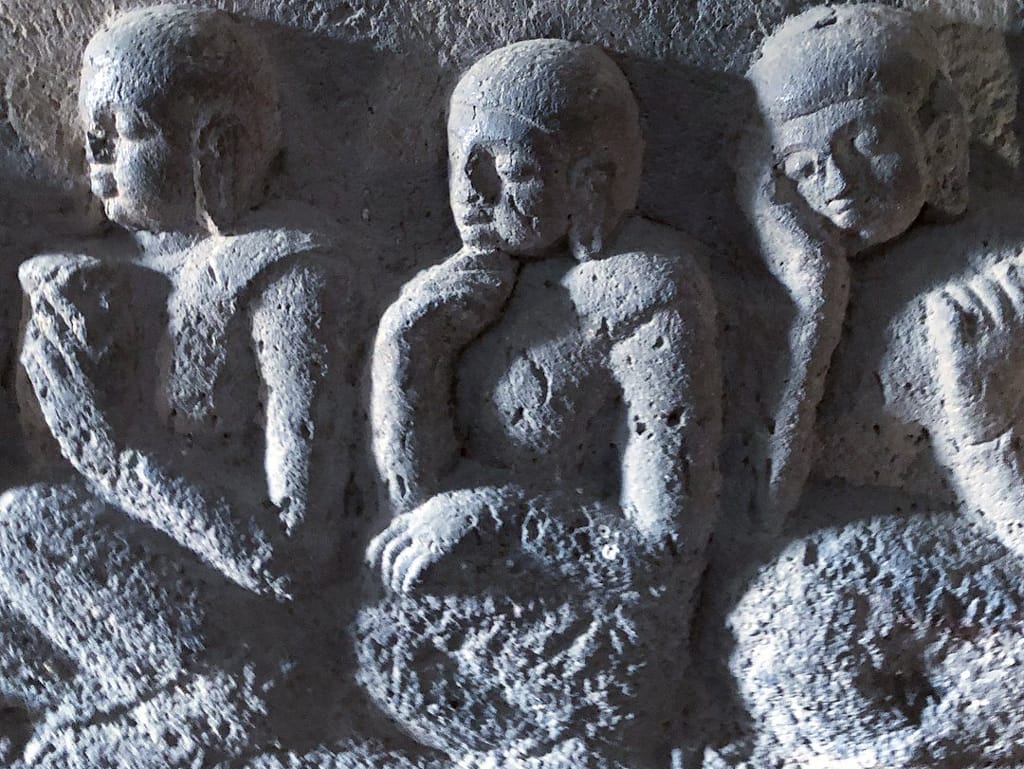
Here's the amalgam translation I was inspired by:
All experience is preceded by mind,
Led by mind,
Made up of mind.
If you speak or act with a clouded mind,
Then suffering follows
As the wagon wheel follows the hoof of the ox.
All experience is preceded by mind,
Led by mind,
Made up of mind.
Speak or act with a peaceful mind,
And happiness follows
Like a shadow that never leaves.
(Adapted slightly from Gil Fronsdal, Shambhala 2005; with final line by F. Max Müller)
In this world
Hate has never dispelled hate.
Only love dispels hate.
This is the law,
Ancient and inexhaustible.
You too shall pass away.
Knowing this, how can you quarrel?
(Adapted slightly from Thomas Byrom, Shambhala, 1976)